

Visualizzazione post con etichetta Photography. Mostra tutti i post
Visualizzazione post con etichetta Photography. Mostra tutti i post
mercoledì 4 dicembre 2024
domenica 30 giugno 2024
Temple University _ Digital Photography Course, 2024
Temple University, Digital Photography Course, 2024
Prof. Fabio Barilari
In questi anni, tra gli altri, sto insegnando fotografia digitale alla Temple University di "Philly" - Philadelphia.
Si tratta di un corso di base e una buona parte degli studenti che sceglie di seguirlo ha una conoscenza della fotografia che non va oltre i post su Instagram: i temi sono sostanzialmente quelli legati principalmente al settaggio manuale della macchina fotografica, la combinazione di sensibilità ISO, tempo di esposizione e apertura del diaframma, profondità di campo e lunghezza focale, postproduzione. Ma affrontiamo anche una serie di temi che hanno connessioni dirette con la pittura e altre espressioni di arte per le quali Roma presenta un contesto e un potenziale di analisi senza confronti: composizione colore, contrasto, luce ed ombra, trasparenze e riflessi, ritratto e gradi di astrazione.
Alla fine dei conti, si tratta sempre di processo creativo e mezzo di espressione personale, interpretati attraverso lo strumento della macchina fotografica invece del colore steso sulla tela.
Ho apprezzato particolarmente il gruppo di studenti di questa classe: nei corsi si creano delle alchimie, in alcune occasioni, che non si sa neanche bene da dove nascano, ma che si traducono sempre anche in risultati molto interessanti.
Questi nella foto sopra sono loro e quella qui sotto è una selezione dei loro bellissimi scatti:
-
In recent years, among the others, I have been teaching digital photography at Temple University, "Philly" - Philadelphia.
It is a
basic course and a good part of the students who choose to follow it have a
knowledge of photography that does not go beyond posts on Instagram: therefore,
the topics are essentially those mainly linked to the manual setting of the
camera, the combination of ISO sensitivity, shutter speed and aperture value,
depth of field and focal length. We also address, however, a series of themes
that also have direct connections with painting and other expressions of art
for which Rome presents an unparalleled context and potential for analysis:
color composition, contrast, light and shadow, transparencies and reflections,
portrait and degrees of abstraction.
After all,
it is always about the creative process and means of self expression,
interpreted through the medium of the camera rather than color, brushes and
canvas.
I particularly appreciated the group of students in this class: in the courses, on some occasions, alchemies see the light, we don't even know exactly where they originate, but they always translate into very interesting results.
These in the photo above are them, and this here below is a selection of their amazing shots:
 |
| Photo by Nick Vieira |
 |
| Photo by MeiLi Van Hise |
 |
| Photo by Nick Vieira |
 |
| Photo by Ami J Patel |
 |
| Photo by Casey Webber |
 |
| Photo by Isabel Grajeda |
 |
| Photo by Lilian Caiola Cappello |
 |
| Photo by Casey Webber |
 |
| Photo by Holly Lahti |
 |
| Photo by Holly Lahti |
 |
| Photo by Isabel Grajeda |
 |
| Photo by Kelly Grace Zammuto |
 |
| Photo by Kelly Grace Zammuto |
 |
| Photo by Kelly Grace Zammuto |
 |
| Photo by Lolade Kola-Adewuyi |
 |
| Photo by Lolade Kola-Adewuyi |
 |
| Photo by Lolade Kola-Adewuyi |
 |
| Photo by MeiLi Van Hise |
 |
| Photo by MeiLi Van Hise |
 |
| Photo by Nick Vieira |
 |
| Photo by Alden Maxwell Slote |
 |
| Photo by Aliyah McDaniel |
#templeuniversityrome

giovedì 6 giugno 2019
D-Day _ Robert Capa
D-Day, oggi, 75 anni fa.
Robert Capa, era uno dei 4 fotografi che ebbero il permesso
di partecipare allo sbarco con le truppe.
Aveva 3 macchinette fotografiche: doveva fotografare, non
sparare.
Durante lo sbarco scatta 4 rullini da 36 pose. Poi le
manda al suo giornale, Life.
In fase di sviluppo si rendono conto che 3 su 4 rullini non
hanno fotogrammi leggibili.
Forse sbagliano lo sviluppo. Fatto sta che si
salvano solo 11 immagini.
Life le pubblica 13 giorni dopo, praticamente scusandosi,
con la didascalia “Per la grande agitazione del momento, Capa, ha mosso la sua
fotocamera e le foto sono venute sfocate”
Le chiamano le Magnificent Eleven.
Tra le immagini c'è "The face in the surf",
l’unica foto in cui un soldato era stato ripreso in primo piano: per scattare
questa foto Capa doveva avere la linea del fronte alle spalle.
Sbarcarono all’alba e appena ci fu luce sufficiente cominciò
a scattare con la sua Contax.


 |
| Robert Capa |
sabato 18 novembre 2017
Venice, the Lagoon Session
The
ghostly, magical, intimate mood of the Venice lagoon in winter
As a tear fades away
And the dawn drives a lovers eyes
No more tears, they're all gone
Just believe this will always be
My heart in your hand
Knows that all this belongs to me
And like a child there I stand
While your heart sings inside of me
One dream of my life
One night in eternity
The wind whispers soft to me
And heaven stood still
One Side of the dawn
Knows that all this belongs to me
One celestial rhapsody
And heaven stood still
Willy De Ville
 |
| Venice Lagoon Session © Fabio Barilari _ on National Geographic |
 |
| Venice Lagoon Session © Fabio Barilari _ on National Geographic |
 |
| Venice Lagoon Session © Fabio Barilari _ on National Geographic |
 |
| Venice Lagoon Session © Fabio Barilari _ on National Geographic |
 |
| Venice Lagoon Session © Fabio Barilari _ on National Geographic |
 |
| Venice Lagoon Session © Fabio Barilari _ on National Geographic |
As a tear fades away
And the dawn drives a lovers eyes
No more tears, they're all gone
Just believe this will always be
My heart in your hand
Knows that all this belongs to me
And like a child there I stand
While your heart sings inside of me
One dream of my life
One night in eternity
The wind whispers soft to me
And heaven stood still
One Side of the dawn
Knows that all this belongs to me
One celestial rhapsody
And heaven stood still
Willy De Ville
lunedì 26 giugno 2017
National Geographic
 |
| http://www.nationalgeographic.com.au/people/5-tips-for-taking-better-photos-in-a-museum.aspx |
The photo "Kolumba Museum" has been selected by National Geographic for its 5 Tips for taking better photos in a museum.
Many thanks to NG, a great surprise.
 |
| http://yourshot.nationalgeographic.com/photos/3155668/ |
martedì 31 maggio 2016
Hagia Sophia
Trying to capture the light, impressive, breathing space of
this silent architecture.
Its sense of what is sacred and undisclosed, hidden in the strenght of its powerful and ancient structure.


giovedì 31 dicembre 2015
Experiencing Napoli
 |
| Napoli Photo by Fabio Barilari — National Geographic Your Shot |
Walking through the narrow alleys of Naples you meet, sometimes, unexpected, the sunlight which finds space among the tall buildings of the ancient historical center; a huge open-air museum, the largest Unesco heritage in Europe
 |
| Napoli Photo by Fabio Barilari — National Geographic Your Shot |
An unstable balance. An urban patchwork.
 |
| Eduardo Photo by Fabio Barilari — National Geographic Your Shot |
His ironic, wrinkled, suffering face, which symbolizes so much of Napoli, its people and history, has been "drawn" with lighting cables in the sky, just above the entrance in Spaccanapoli.
 |
| Napoli Photo by Fabio Barilari — National Geographic Your Shot |
A delicate and at the same time rough balance between
centuries of history and daily living, made of a continuous, close dialogue
between impressive masterpieces of architecture and common housing.
Spontaneous architectures grow everywhere, like nature grows between Angkor rocks and temples.
This unstable equilibrium is perhaps the main talent of this city; its maintainance, the main target.
A place that forces one to observe.
A massive, spontaneous, urban patchwork
giovedì 27 agosto 2015
About Architecture / About City
A Work of Art is not a living thing that walks or runs.
But the making of a life.
That which gives you a reaction.
To some it is the wonder of Man's Fingers.
To some it is the wonder of the Mind.
To some it is the wonder of Technique.
And to some it is how Real it is.
To some, how Transcendent it is.
Like the 5th Symphony
it presents itself with a feeling
that you know it, if you have heard it once.
And you look for it,
and though you know it you must hear it again.
Though you know it you must see it again.
Truly a work of Art is one that tells us,
that Nature cannot make what man can make.
that Nature cannot make what man can make.
- Louis Khan
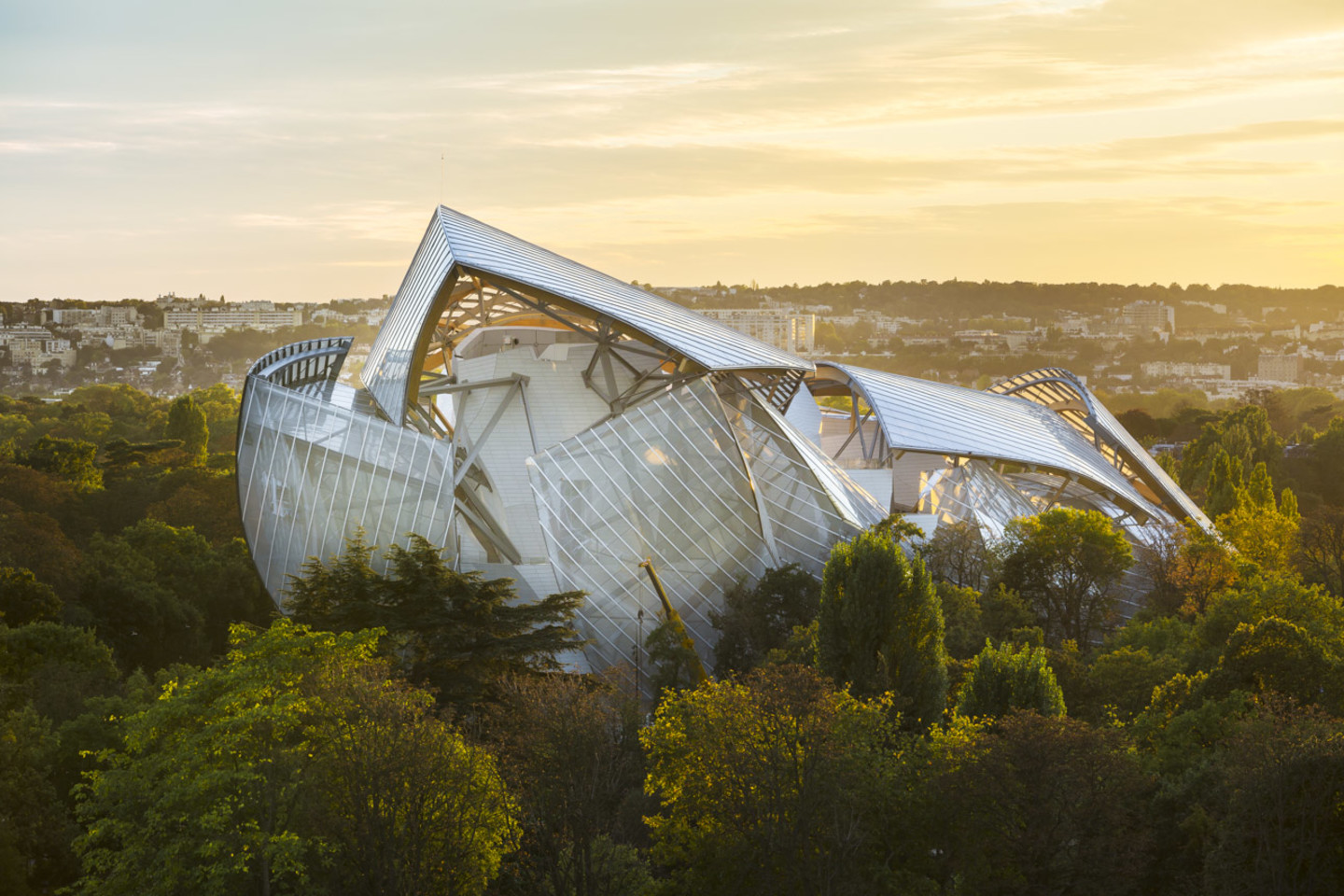 |
| Frank O. Gehry / Fondation Louis Vuitton, Paris - Photo S. Grazia |
 |
| Frank O. Gehry / Fondation Louis Vuitton, Paris - Photo S. Grazia |
 |
| Zaha Hadid Architects / Dongdaemun Design Plaza, Seoul - Photo V. S. Bertrand |
 |
| Zaha Hadid Architects / Dongdaemun Design Plaza, Seoul - Photo V. S. Bertrand |
 |
| Renzo Piano Building Workshop / Valletta City Gate, Malta - Photo M. Denancè |
 |
| Renzo Piano Building Workshop / Valletta City Gate, Malta - Photo M. Denancè |
Un’opera d’arte non è un essere vivente che cammina o corre,
è la creazione di una vita che fa scaturire una reazione.
Per alcuni è un miracolo della mano dell’uomo.
Per alcuni è un miracolo della mente.
Per qualcuno è un miracolo della tecnica.
Per qualcuno conta quanto sia reale.
Per qualcuno conta quanto sia trascendente.
È come la Quinta Sinfonia: suggerisce un sentimento che riconosce solo chi l’ha provato almeno una volta e lo sta ricercando.
Lo conosce ma vuole risentirlo.
Lo conosce ma vuole rivederlo.
Un’opera d’arte rivela che la natura
non può fare ciò che fa l’uomo.
- Louis Khan
Iscriviti a:
Post (Atom)